Understanding Asphalt Driveway Lifespan in Albany's Climate
If you own a home or business in Albany, you know that our region experiences some challenging weather conditions. Winter brings freeze-thaw cycles that are particularly tough on asphalt, and our clay-heavy soil composition adds another layer of complexity to driveway durability. The typical asphalt driveway paving and installation can last between 15 to 20 years under ideal conditions, but in Albany's specific environment, you may see that timeline shift significantly.
The freeze-thaw cycle is the primary culprit behind accelerated asphalt deterioration in our area. When water seeps into small cracks in your pavement and then freezes, it expands, pushing the asphalt apart and creating larger cracks. This cycle repeats throughout winter and early spring, gradually weakening the structural integrity of your driveway. Combined with Albany's clay soil, which tends to shift and settle unevenly beneath the surface, your asphalt driveway faces unique stressors that homeowners in warmer climates simply don't encounter. Understanding these local factors is essential for planning maintenance and knowing when replacement becomes necessary.
How Albany's Clay Soil Affects Your Asphalt Driveway
Many homeowners in Albany don't realize that the soil beneath their driveway plays a crucial role in how long the asphalt will last. Our region's clay-based soil is expansive, meaning it absorbs water and swells, then dries out and shrinks. This constant movement creates an unstable foundation for your driveway, causing the asphalt above to develop cracks, settling issues, and uneven surfaces. Even if your asphalt itself is in good condition, poor soil support underneath can lead to premature failure and the need for repairs or replacement sooner than expected.
The interaction between clay soil and freeze-thaw cycles creates a particularly damaging one-two punch. When water from melting snow and spring rains penetrates the soil, the clay expands. As temperatures drop and the ground freezes, this expansion is locked in place. When it thaws again, the soil contracts, creating voids and instability. This heaving and settling can crack your driveway from below, which is much harder to address than surface-level damage. Proper drainage and a well-constructed base layer during initial asphalt driveway paving and installation are critical to extending your driveway's lifespan in Albany's challenging soil conditions.
Signs Your Asphalt Driveway Needs Repair or Replacement
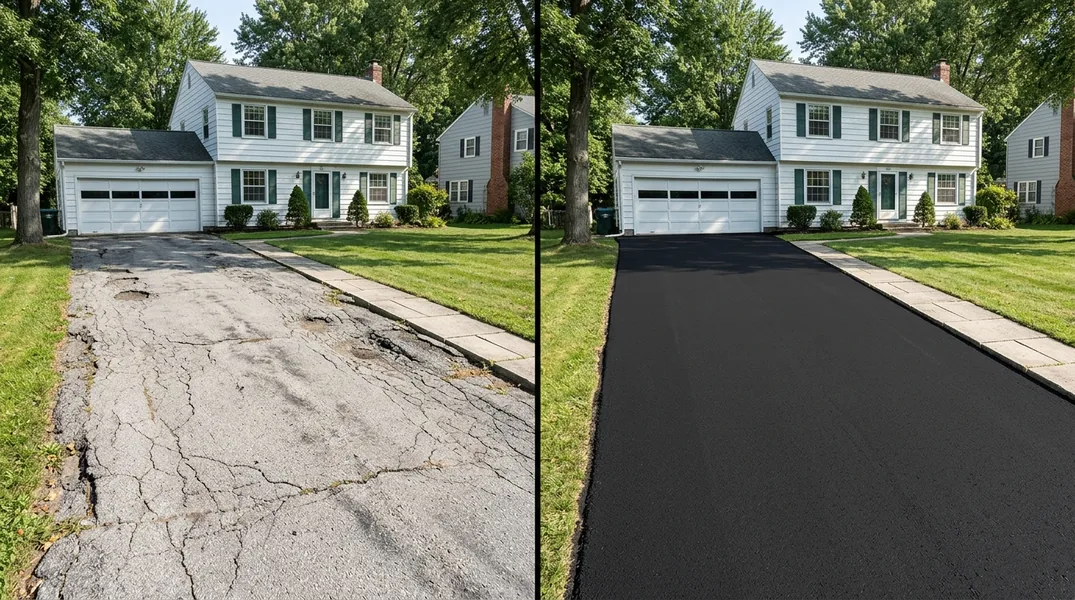
Knowing the typical asphalt driveway lifespan is one thing, but recognizing when your specific driveway needs attention is equally important. Several warning signs indicate that your driveway is reaching the end of its useful life or requires immediate intervention. Widespread cracking, especially in a pattern that resembles alligator skin, is a red flag that structural failure is imminent. Similarly, if you notice significant potholes, large sections of missing asphalt, or areas where the surface has become severely faded and brittle, these are clear indicators that replacement or major repair work is needed.
Surface deterioration often begins years before complete failure, and catching these issues early can save you money. If you notice small cracks or minor surface damage, driveway repair or pothole repair and asphalt patching can extend your driveway's life by several years. However, if more than 30 percent of your driveway shows signs of significant damage, or if you're experiencing standing water, sinking sections, or multiple large potholes across the surface, full replacement may be more cost-effective than continued repairs. The age of your driveway matters too: if it's already 15 to 20 years old and showing moderate damage, replacement is likely in your near future.
Extending Your Driveway's Lifespan: Maintenance Tips for Albany Homeowners
The good news is that you can significantly extend your asphalt driveway's lifespan with consistent, proactive maintenance. Regular seal coating is one of the most effective preventive measures, as it protects the asphalt from water infiltration, UV damage, and oxidation. In Albany's climate, applying a fresh seal coat every two to three years helps shield your driveway from the worst effects of freeze-thaw cycles and keeps the surface flexible and durable. Additionally, keeping your driveway clean and free of debris allows you to spot small cracks and damage before they become major problems.
Proper drainage is equally critical in our region. Make sure water doesn't pool on your driveway or drain toward your foundation. Grade your landscape so that meltwater and rainfall flow away from the asphalt surface. Promptly fill any small cracks you notice, as these are the entry points for water that will eventually lead to more extensive damage. Avoid using salt-based de-icers in winter, as they accelerate asphalt degradation. Instead, use sand or calcium chloride alternatives. By combining these maintenance practices with timely professional attention when needed, you can push your driveway well beyond the typical 15 to 20 year lifespan and avoid the need for premature replacement.
When to Consider Asphalt Resurfacing vs. Full Replacement
If your driveway is showing significant wear but the base layer is still structurally sound, asphalt resurfacing and overlay may be a cost-effective alternative to complete replacement. Resurfacing involves applying a new layer of asphalt over the existing surface, which can add 10 to 15 years of life to your driveway at roughly 50 to 70 percent of the cost of full replacement. This option works well if the underlying base is stable and the damage is primarily surface-level cracking and wear.
However, resurfacing isn't always the right choice. If your driveway has severe structural issues, extensive base damage, or ongoing settlement problems due to poor soil conditions, a full replacement will provide a more durable long-term solution. A professional assessment is essential to determine which option makes sense for your specific situation. Albany Asphalt Paving can evaluate your driveway's condition and recommend the most cost-effective path forward, whether that's repair, resurfacing, or replacement.
Asphalt Driveway Paving and Installation Cost in Albany: What to Budget
Understanding the financial side of driveway installation and replacement is important for homeowners planning ahead. The cost of asphalt driveway paving and installation varies based on the size of your driveway, the condition of the base, local soil conditions, and the quality of materials used. In Albany, you can expect to pay more for a properly installed driveway that accounts for our challenging clay soil and freeze-thaw environment, but this investment pays dividends in durability and reduced long-term maintenance costs.
For a more detailed breakdown of what you can expect to invest in your driveway project, we encourage you to review our pricing page or contact us directly. Every driveway is unique, and factors like your property's specific soil composition, drainage situation, and desired longevity will influence the final cost. Rather than making assumptions, the best approach is to get a professional evaluation and free estimate from Albany Asphalt Paving. Call us at (838) 217-7043 to schedule your assessment and learn exactly what your driveway project will cost.
Looking for a professional asphalt paving contractor in Albany? Albany Asphalt Paving responds fast for all your asphalt paving needs.
Get a Free Quote